
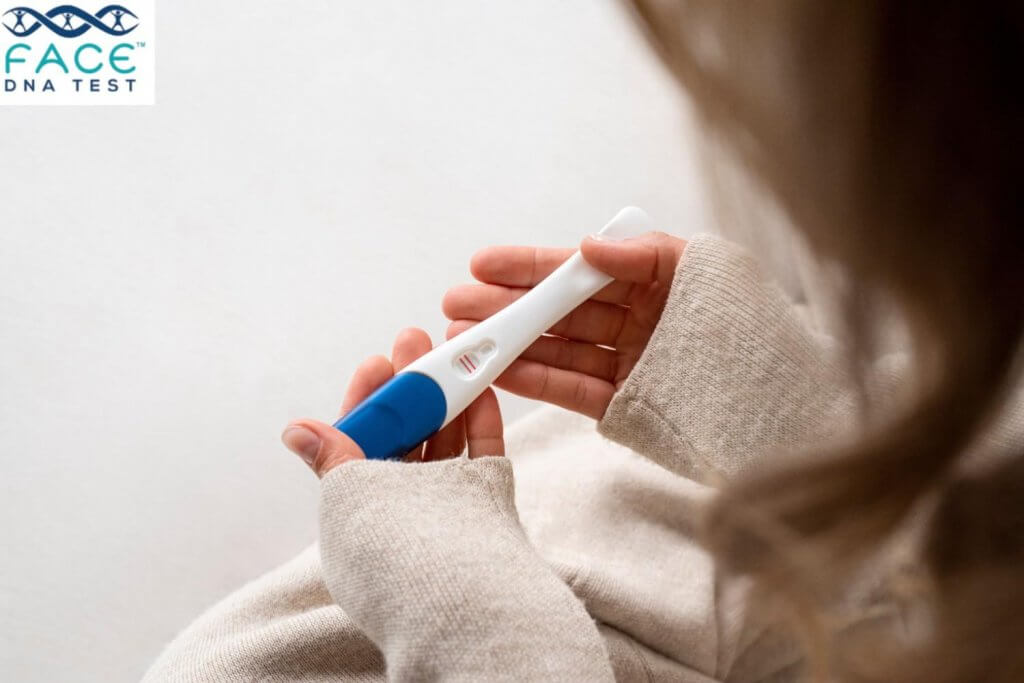

Knowing one is pregnant or not is one of the most important events in life and home pregnancy test will answer the major question in a way that is quick and private. But how accurate is a pregnancy test, and what is the influence on it? Knowledge of pregnancy test accuracy assists to perceive the results in the proper way and understand when further confirmation can become useful. Home pregnancy tests are remarkably good in the modern society when they are used at the right time and appropriately though there are several areas which could influence the accuracy of the result.
What are the accuracy levels of using pregnancy tests at home when properly used?
Home pregnancy tests are about 97-99% accurate when used correctly on or after the first day of a missed period. These tests detect human chorionic gonadotropin (hCG), a hormone produced by cells that form the placenta soon after a fertilized egg implants in the uterus. However, accuracy varies significantly with timing, as hCG levels rise over the course of pregnancy.
Are home pregnancy tests reliable when used correctly?
Yes – when used as directed, home pregnancy tests provide highly reliable results. However, testing too early before a missed period may lead to false negative results even if pregnancy is present.
Precision of Pregnancy Tests in the Modern World.
The contemporary pregnancy tests are based on the antibody technology to detect the hCG in the sample of urine, which gives very accurate results when hormone levels are high enough to be detected. The majority of the tests boast of greater than 99 percent accuracy on the day of expected period or later, but in reality, this accuracy is frequently slightly less, because of operator error or improper timing, or testing too soon when the levels of hcg are lower than the detection limits. Pregnancy tests with higher sensitivity can be used earlier, which lowers accuracy since hCG levels typically increase every 48-72 hours during pregnancy, beginning at extremely low levels as soon as implantation occurs.
At what time of the month would a pregnancy test be most accurate?
There should be at least a one-week wait time after a missed period which makes it even more reliable as the hcg increase and become highly detectable and significantly reduces the chance of false negative results.
Testing Before vs. After a Missed Period
- Pre-missed period testing: There are certain sensitive tests that claim to detect pregnancy 4-5 days prior to the expected period; however, at this stage, accuracy is only 50-75 percent because hCG levels are low, and many pregnancies are negative at this point.
- Testing during missed period: Accuracy is increased to 97-99 percent with testing on or after the first day of missed period because the level of hcg has increased enough to be reliably detected by standard tests.
- Waiting one week following missed period: The highest accuracy with a value of up to 99+ percent as the level of hCG is very high, with the majority of false negativity is eliminated due to the time taken before the previous test.
How can the result of a pregnancy test be inaccurate?
There are a number of factors that condition the accuracy of the results of pregnancy tests. The most important issue is the timing of the testing – many people wonder, can home pregnancy tests be used too soon? The answer is: No, testing too early may not detect hCG levels even in viable pregnancies. Excessive fluid intake before the test may cause the urine to be diluted to an extent that hCG is below detectable limits, causing a false negative result. Different brands have different test sensitivities, and when asking how accurate is Clearblue pregnancy test, it generally performs at over 99% accuracy when used on or after a missed period, while some tests can detect lower levels of hCG earlier than others.
Timing, Dilution, and Sensitivity of Test.
- Premature testing: By the time of hCG levels and the test are carried out, they are already below detectable limits, which causes false negative results, resulting in the most frequent error of inaccurate pregnancy tests.
- Diluted urine: When one drinks excessive quantities of liquid, urine gets diluted and the hCG becomes low, thus giving false negative particularly in an early pregnancy.
- Test sensitivity differences: Tests are different in their lowest hCG detection limits; 10-50 mIU/mL – lower detection thresholds indicate higher test sensitivity..
Do pregnancy tests provide false positive or false negative results?
Yes, but the false results arise due to varying reasons. False negative is very likely to occur than false positive and this is typically caused by the fact that the tests are administered too soon before the level of hCG increases enough. False positive outcome is not common but may arise on the basis of some medicines, medical ailments or chemical pregnancies where implantation takes place and pregnancy does not proceed.
Choose Clarity with Our DNA Test.
Get Accurate Answers With our Test!.
-
- Accurate
- Quick Result
- Private and Secure
- Affordable

Conclusion
Once they are certain of being pregnant, others during prenatal health screening or otherwise resort to advanced prenatal testing. At Face DNA, you will find data on all-inclusive DNA testing services such as non-invasive prenatal testing (NIPT) that is conducted in certified laboratories.