
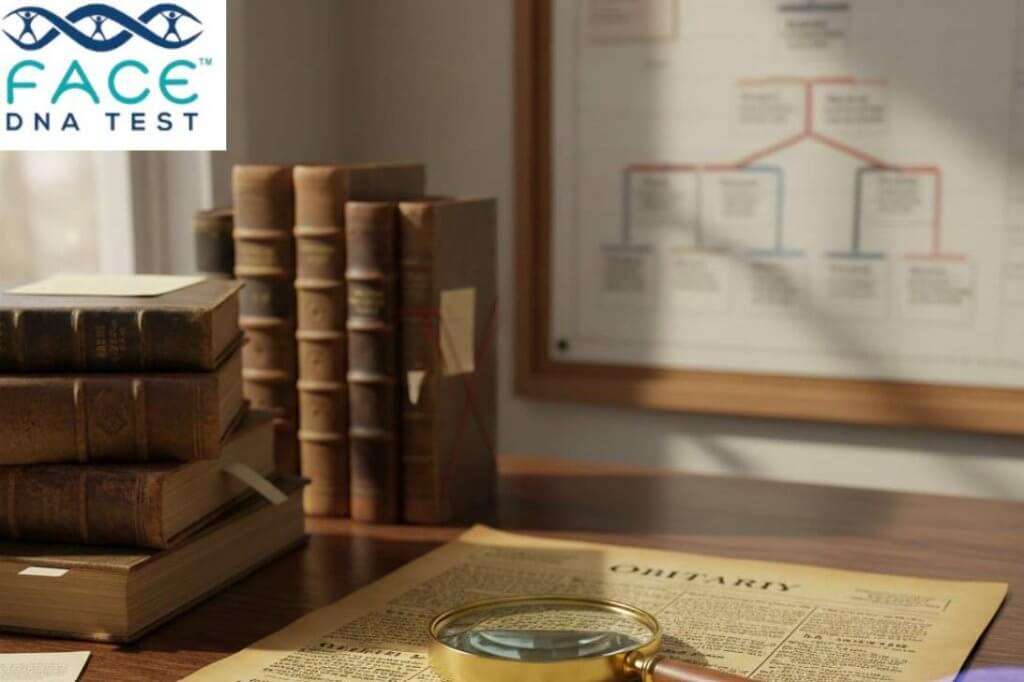

Obituaries are also a source of great family information, including names of family, date of birth, date of death, place of burial, career, and accomplishments in life. These facts assist you in a reconstruction of the family history, confirmation of some relations, and also relate to other branches of your own family tree that you never knew.
It was once a tedious process to go down to the dusty basements of the library and turn page after page of the newspapers to find the obituaries in years gone by. Nowadays, it is easier to search with digitized archives, online databases, and genealogy sites. But it is all in knowing where to look and where to search.
How can the Best Recollection of an Obituary Years Old Be Found, and in what Place shall I begin to scan?
Begin with web searches (full name of the deceased, approximate date of death, and place) of the deceased person. These details help you quickly locate the appropriate resources for your search.
The Search Process: The initial step is to collect as much information as you know about this person- full name (including maiden name in the case of women), date of their death (at least the year is sufficient), name of the city or county that this person lived or died in, and the names of their family members. Free online databases, such as newspaper websites and free access genealogy websites, should also be searched first. Try a Google search with the name and such words as obituary and the place.
What Can Archived Newspapers, Public Libraries, and Digital Databases do to assist in retrieving the older obituary records?
Most of the obituaries were published in historical newspapers; therefore, newspaper archives are the best sources. Most have now been digitized and can be searched on the internet, and this has simplified your search significantly.
Through Newspaper Archives: Major newspaper archives have millions of digitized pages that may be searched by name and date. Community deaths were widely reported in the local newspapers, and particularly those in small towns where everybody was familiar with each other. Look in the newspapers of the place of residence and death of the person, and obituaries are published within a few days. There are also newspaper websites that have their free historical archives dating back several decades.
Library & Database Resources: Free Library cards allow access to some of the costly genealogy databases at the public library. Local history rooms in many libraries contain microfilm collections of newspapers and obituary files in name order. Librarians with experience in doing genealogical research can direct you to the correct material. Other libraries have developed obituary indexes – alphabetical lists of the name of the newspaper, and on what date, each obituary may be found, sparing you many hours of hunting through books of separate issues.
What Online Genealogy sites are available where one can find historical Obituaries, and what kind of information do you need to search?
A number of genealogy sites deal with historical data, such as obituaries. These websites do not demand much information but enable quick and easy searching of millions of records with the help of super search engines.
Ancestral Resources and Web Resources: The great obituary repositories, newspaper articles, and the family trees of Ancestry.com have a larger amount of them, so someone might already have located and stored an obituary you need. FamilySearch.org offers family records such as obituaries, death records, and burial data for free access to millions of records all over the world. Through our Ancestry DNA testing, you can confirm your ancestral roots and even learn your ancestors’ migrational patterns. Get various spellings of names, as there were errors when names were misspelled by clerks.
How Can Local County offices, Funeral homes, or State Vital records departments help find long-lost obituary information?
There are government offices and funeral homes that hold records relating to death that can direct you to obituaries or offer such information where obituaries can not be found elsewhere.
Government & Local Sources: County clerk offices have death certificates that record the date and cause of death, burial place, and next of kin — the same information as in obituaries. Vital records departments of the states issue death certificates at a fee, typically only available for the past 25-50 years. There are states that deny access to new death records, and they should provide evidence of the relationship. Obituary files, cemetery records, and local history materials are often available in historical societies and genealogical societies that are not accessible online.
Funeral Home Records:
- Record keeping Long term: Funeral homes maintain records spanning decades of time, such as obituary clippings, funeral service programs, and funeral information.
- Direct contact benefits: Visit or call the funeral homes in the location of the death of your ancestor. Employees are likely to check their archives when you give a name and date or so.
- Published memorial books: Memorial books are obituaries and photos of individuals served by some funeral homes, and may be located in the local libraries.
- Connection to Cemetery Records: Funeral homes will guide you to the cemetery where an individual was interred, and cemeteries themselves have records that are worth investigating further.
While DNA testing can confirm familial relationships, it is separate from obituary, or genealogy research and is typically conducted through certified laboratories like Face DNA Test. When obituaries suggest possible relatives but relationships need verification, the relationship DNA testing and forensic DNA testing provide reliable, scientific confirmation, helping you accurately trace your ancestry.

Conclusion
The discovery of an obituary of an ancestor links you to the past in substantial ways. These documents narrate, expose, and make you know how you got here and who your kin and blood were. In situations where you find obituaries about possible relatives but need to confirm the biological relationship. Face DNA offers a scientific test that is sure to confirm the blood ties among the relatives.