
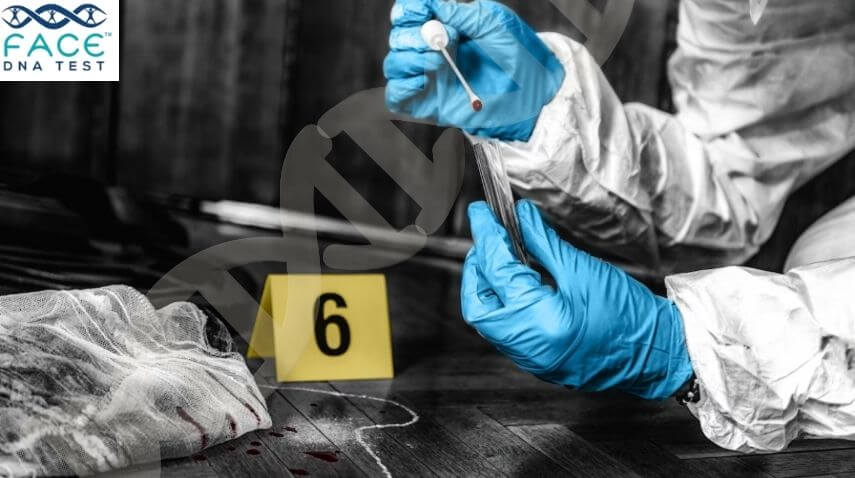

DNA evidence has reshaped criminal investigation during the last several decades and helped to solve cases that appeared impossible, as well as to exonerate innocent individuals who were wrongly convicted prior to the invention of DNA testing. The importance of DNA in the criminal justice system has become central to how investigators construct their cases, confirm suspects and prove the facts with the scientific accuracy. But to what extent is DNA testing accurate? How does DNA testing work for crime? And what controls the reliability of DNA testing? Knowing the science of forensic DNA will assist everyone, both the law experts and ordinary citizens to enjoy the astonishing strength as well as crucial constraints of this technology.
What is the accuracy of DNA testing in criminal cases and investigations?
Criminal investigations using DNA are unbelievably precise whenever conducted in a well-controlled laboratory. The current forensic DNA examination compares certain genetic markers between samples at the crime scene and the known persons, and the accuracy is above 99.9%. The criminal justice system has relied on this extraordinary accuracy to place DNA in the system, the probability of random match is as low as one in a few billion or even one in a quadrillion, and it is extremely unlikely that two unrelated individuals would have the same DNA profile. In asking, is the DNA evidence sufficient to convict, courts usually regard DNA that has been duly collected and analyzed to be one of the most effective forensic evidence to be used in any case, but it is usually looked at together with another evidence to have the best view of any case.
The reason why DNA is a good forensic evidence.
Uniqueness of the individual: The DNA profile of each individual is unique (except in the case of identical twins) and the matches are very important.
- Biological permanence: DNA can remain preserved in biological samples for decades under the right conditions.
- Scientific opinion: Years of peer-reviewed studies confirm the reliability and accuracy of DNA testing.
- Statistical power: It is virtually impossible to have coincidental matches with match probabilities in the billions.
- Exoneration power. The use of DNA has led to the reversal of hundreds of wrongful convictions, proving its ability to reveal the truth.
- An international standard: DNA analysis for legal cases, when samples properly collected, handled, and interpreted, has become widely accepted by courts in many countries as strong scientific evidence.
- Cross-laboratory verification: The results could be verified by other accredited laboratories.
What can influence the precision of the DNA testing in crime cases?
Sample degradation: The biological samples that are subjected to heat, moisture, sunlight, or lapse of time degrade and the quality of DNA is reduced and the accurate analysis hard.
- Risks of contamination: The process of collecting DNA at the crime scene is very important since samples that are contaminated with other biological materials give unreliable or uninterpretable results.
- Sample size: Extremely small or minute traces of biological evidence can produce partial DNA profiles that can be less conclusive to decipher.
- Mixed samples: There are many contributors DNA in a sample which produce complicated profiles that need advanced interpretative capabilities.
- Collection errors: Improper methods of collection of the crime scene DNA evidence compromise the integrity of the sample during the laboratory analysis.
- Storage conditions: improper storing conditions or storage packages seriously affect the quality of samples.
- Laboratory equipment: Aged or poorly maintained equipment influences the accuracy of the tests and the reliability of the results.
What is the way that forensic laboratories can obtain credible and objective DNA findings?
Laboratories with DNA forensic services retain the reliability of the results with the strict accreditation criteria, stringent quality control measures, and external reviews. Laboratories that are accredited comply with defined standards established by organizations such as ASCLD (American Society of Crime Laboratory Directors). They are standards that regulate the collection of crime scene DNA data as well as the ultimate interpretation of the results.
The laboratory analysts are guided by elaborate written guidelines for each step of testing, thereby reducing inter-analyst and inter-testing-session differences. Consistent proficiency tests maintain competence of the analyst, whereas constant sampling of blind quality control tests determine the accuracy of testing. The use of independent technical and administrative reviews of DNA cases also checks the errors prior to reporting of results. These high standards are required in the role of DNA in the criminal justice system since the outcomes of results are directly related to the lives of people and the verdict of the court.
Is it possible to have DNA evidence that is incorrect or misunderstood?
Yes, although the underlying DNA science is highly dependable, the collection, analysis and interpretation of the DNA evidence is a human judgment subject to error. To truly know how much is enough to convict in the case of DNA evidence, it is important to know its strengths, as well as its limitations sincerely.
Interpretation and error limits of human behavior.
The most widespread source of DNA evidence issues is crime scene DNA collection errors, contamination, mislabeling, or poor storage may render even high quality laboratory work done later. The interpretation error has the effect of affecting laboratory analysts in the assessment of complex mixed DNA profiles that involve more than one person and therefore include a lot of subjective judgment. DNA evidence may be statistically presented in court in a manner that confirms the jury which may not be well versed in concepts of probability to overvalue or undervalue the importance of a match. The risk of wrong interpretation of DNA evidence by qualified DNA experts, open laboratory procedures and proper training of legal practitioners and jurors all contribute to the minimal probability of the wrong interpretation of DNA evidence to achieve the judicial results of the case in a way that is not justifiable by law.
Conclusion
DNA testing is valuable in personal relationship verification, exploration of ancestry or any other reason, the same scientific precision that has made DNA potent in criminal justice makes expert testing a necessary condition to achieve consistent results. In Face DNA, our certified lab uses strict scientific protocols in all the DNA tests that we conduct and provide them with accuracy and confidentiality as demanded by our customers.